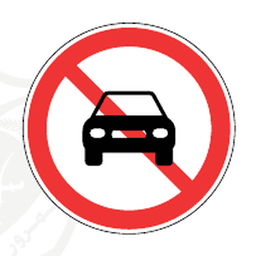
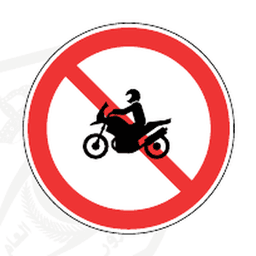
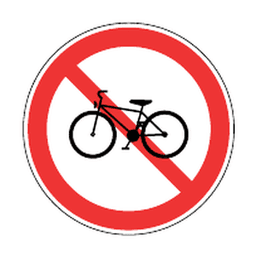
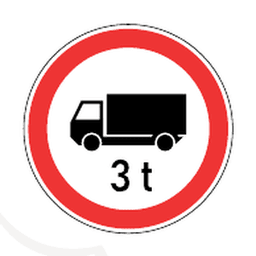
1
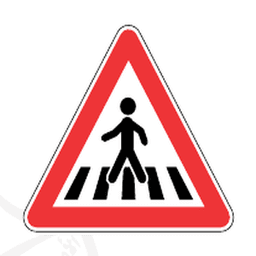
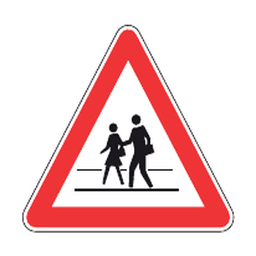
What does this sign warn drivers about?
- ARailway crossing ahead
- ✓Pedestrian crossing ahead
- CSchool zone ahead
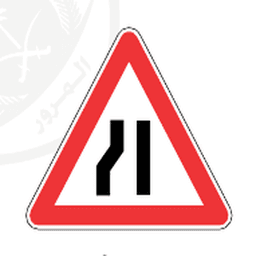
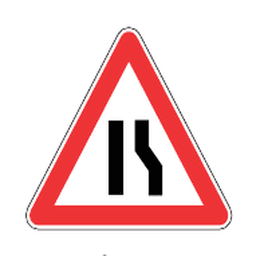
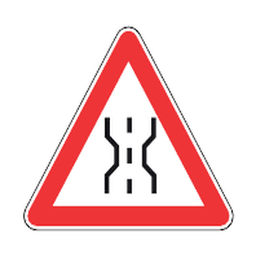
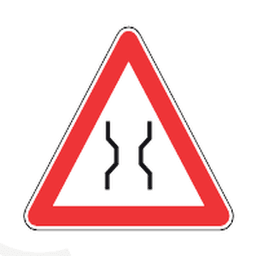
- DRoad narrows
💡Triangular warning sign: pedestrian crossing ahead. Slow down and prepare to stop.
2
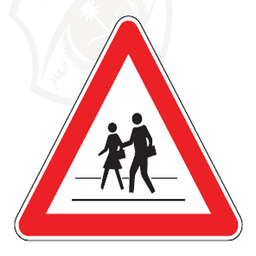
What does this sign indicate?
- APedestrian crossing only
- ✓School or children crossing ahead
- CNo children allowed
- DPlayground area
💡This sign warns of a school or children crossing ahead. Reduce speed and watch for children.
3
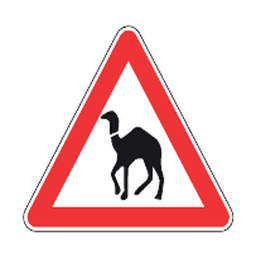
When you see this sign in Saudi Arabia, you should:
- AStop and wait for camels
- ✓Slow down — camels may be on or near the road
- CHonk to scare animals
- DSpeed up to clear the area
💡Camel warning sign: common in Saudi Arabia. Camels on or near the road are a serious hazard. Reduce speed immediately.
4
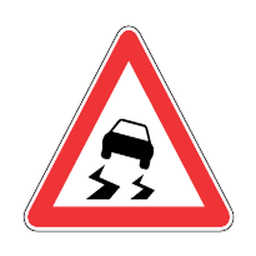
What hazard does this sign warn about?
- ASpeed bump
- ✓Slippery road surface
- CFlooded road
- DLoose gravel
💡Slippery road ahead — especially in wet weather. Reduce speed and avoid sudden braking or steering.
5
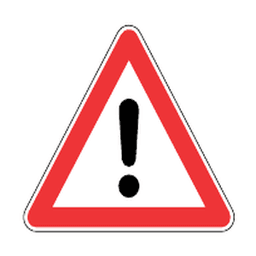
This triangular sign with an exclamation mark means:
- ARoad works
- BNo entry
- ✓General hazard or danger ahead
- DPriority road
💡An exclamation mark in a warning triangle indicates a general hazard that does not fit a specific category. Proceed with caution.
6
This sign warns drivers of:
- ARoad tunnel
- BBridge
- ✓Railway level crossing
- DToll gate
💡Railway level crossing ahead. Slow down, look both ways, and be ready to stop if a train approaches.
7
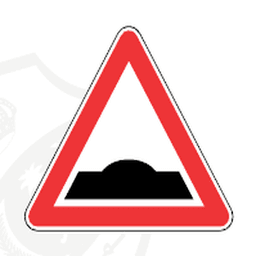
What does this sign indicate lies ahead?
- ARoad repair
- ✓A speed bump
- CEnd of road
- DPedestrian crossing
💡Speed bump ahead. Reduce speed before reaching it to avoid vehicle damage and maintain control.
8
This warning sign indicates:
- AMerging traffic from left
- ✓Junction or fork in the road ahead
- CNo right turn
- DEnd of dual carriageway
💡Junction or fork ahead. Prepare to choose the correct route and watch for merging traffic.
9
What does this sign warn about?
- ARoad ends
- ✓Sharp bend or curve ahead
- CNo U-turn
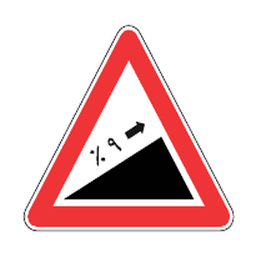
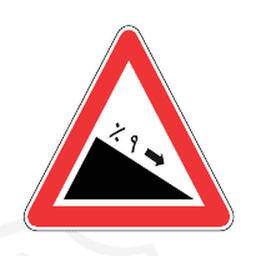
- DSteep downhill
💡Sharp bend or curve ahead. Reduce speed BEFORE the bend — never brake while turning.
10
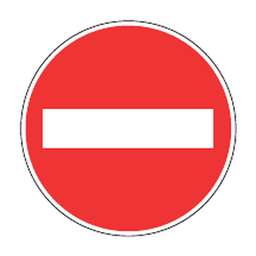
What does this sign mean?
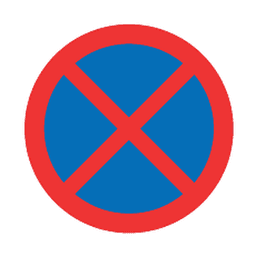
- ANo parking
- ✓No entry for all vehicles
- CStop and give way
- DSpeed limit zone
💡No entry: red circle with white horizontal bar prohibits all vehicles from entering from this direction.
11
This sign prohibits:
- ATurning right
- BTurning left
- ✓Making a U-turn
- DReversing
💡No U-turn: making a U-turn here is a traffic violation subject to fine and demerit points.
12
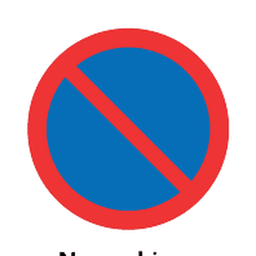
According to this sign, what is not permitted?
- AStopping briefly
- ✓Parking a vehicle
- CDriving past
- DEntering the road
💡No parking: leaving a vehicle parked here is prohibited. Brief stopping may still be permitted.
13
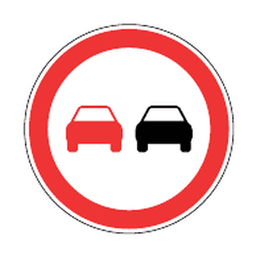
This sign means overtaking is:
- ACompulsory here
- BPermitted for trucks only
- ✓Prohibited in this section
- DPermitted on the right only
💡No overtaking: all vehicles are prohibited from overtaking in this section of road.
14
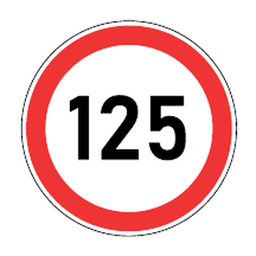
What is the maximum speed allowed by this sign?
- A40 mph
- ✓40 km/h
- CBelow 40 in rain only
- DMinimum speed of 40
💡Speed limit signs show the maximum permitted speed in km/h. This zone: maximum 40 km/h.
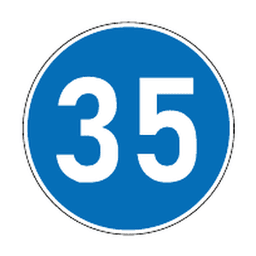
15
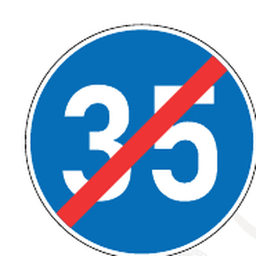
This sign tells drivers the maximum speed is:
- ANo less than 80
- ✓No more than 80 km/h
- C80 km/h for trucks only
- DMinimum 80
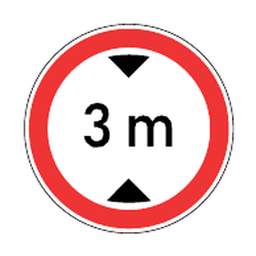
💡80 km/h is the standard maximum speed inside urban areas in Saudi Arabia.
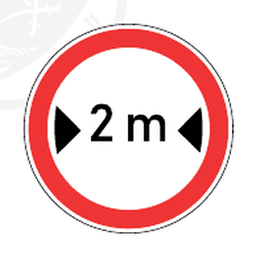
16
This speed limit sign is most commonly found on:
- AResidential roads
- BSchool zones
- ✓Highways and expressways
- DCar parks
💡120 km/h is the standard maximum speed on Saudi highways for small private vehicles.
17
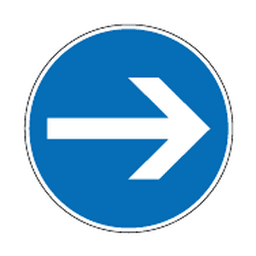
This blue sign instructs drivers to:
- AAvoid turning right
- ✓Turn right — mandatory
- CRight lane closed
- DMerge right
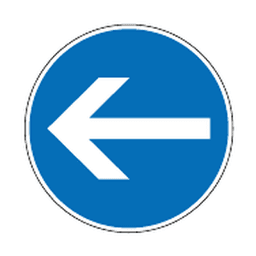
💡Blue circular mandatory signs: a right arrow means you MUST turn right — no other option.
18
A driver who ignores this mandatory blue sign is:
- AMaking an acceptable choice
- ✓Committing a traffic violation
- CTaking a safe alternative
- DBeing cautious
💡Mandatory signs must be obeyed. Ignoring one is a traffic violation with fines and demerit points.
19
When you see this sign, you must:
- AStop and wait
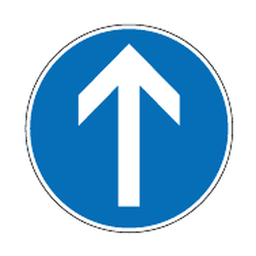
- ✓Proceed straight ahead only
- CYield to oncoming traffic
- DTurn around
💡This mandatory sign requires drivers to continue straight ahead — turning is not permitted here.
20
At this sign, a driver must:
- ASlow down if clear
- BHonk and continue
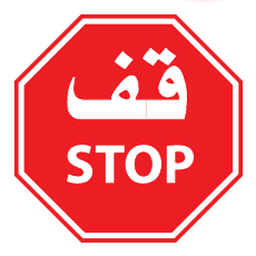
- ✓Stop completely then proceed when safe
- DFlash lights and go
💡STOP sign requires a complete stop — not just slowing. Proceed only when the way is safe.
21
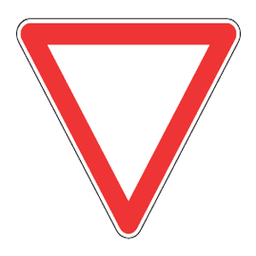
This sign requires the driver to:
- AStop completely
- ✓Yield to main road traffic before proceeding
- CIncrease speed to merge
- DSound horn before proceeding
💡Give way (inverted triangle): yield to all traffic on the road you are joining. Stop if necessary.
22
Warning signs in Saudi Arabia are which shape?
- ACircular
- BOctagonal
- ✓Triangular
- DRectangular
💡Warning signs are triangular (pointing up) with a yellow background and black border.
23
The background colour of warning signs is:
💡Saudi warning signs have a WHITE background with black symbols and a RED triangular border — as shown in the official Moroor handbook. Yellow is used for temporary work zone signs only.
24
A blue circular sign means the instruction is:
- AAdvisory only
- BProhibited
- ✓Mandatory
- DA warning
💡Blue circular signs carry mandatory instructions. Disobeying them is a traffic violation.
25
Highway direction signs in Saudi Arabia are what colour?
- ABlue
- BYellow
- ✓Green
- DOrange
💡Highway guidance signs use a green background — the international standard for motorway information.
26
Prohibitory signs are which shape and colour?
- AYellow triangles
- BBlue circles
- ✓White circles with red border
- DGreen rectangles
💡Prohibitory signs: white circle with red border. A red diagonal slash means the action is prohibited.
27
The give way sign shape is:
- AUpward triangle
- ✓Downward (inverted) triangle
- CRectangle
- DDiamond
💡Give way: inverted triangle (pointing down) with red border — distinct from upward-pointing warning signs.
28
A red diagonal line through a symbol on a circular sign means:
- AAction is recommended
- ✓Action is prohibited
- CAction is mandatory
- DA warning
💡A red diagonal slash means that action is prohibited (e.g. P with slash = no parking).
29
The stop sign shape is:
- ASquare
- BCircle
- ✓Octagon (8 sides)
- DTriangle
💡The stop sign is octagonal and red — universally recognised and internationally standardised.
30
When a traffic officer conflicts with a traffic light, which takes priority?
- AThe traffic light always
- BBoth simultaneously
- ✓The traffic officer
- DThe driver decides
💡Traffic officer instructions always override traffic lights — even a green light.
31
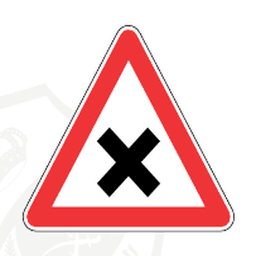
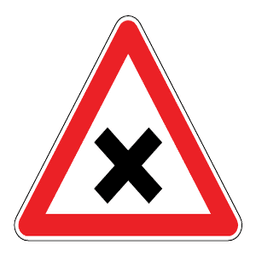
What does this sign warn drivers about?
- ✓Crossroads ahead
- BRoundabout ahead
- CSide road on the left
- DTwo-way traffic begins
💡Triangular warning sign: crossroads ahead. Slow down and be ready to give way as required.
32
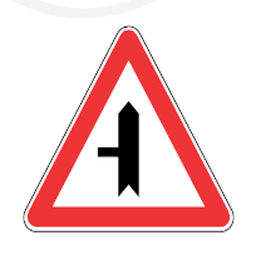
What does this sign warn drivers about?
- ASide road on the right
- BCrossroads ahead
- CTraffic merging from the left
- ✓Side road on the left
💡Triangular warning sign: side road on the left. Watch for vehicles entering from the side road.
33
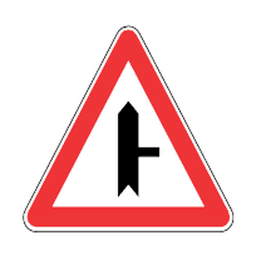
What does this sign warn drivers about?
- ACrossroads ahead
- BTraffic merging from the right
- ✓Side road on the right
- DSide road on the left
💡Triangular warning sign: side road on the right. Watch for vehicles entering from the side road.
34
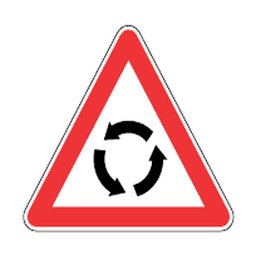
What does this sign warn drivers about?
- ATwo-way traffic begins
- ✓Roundabout ahead
- CCrossroads ahead
- DTraffic merging from the left
💡Triangular warning sign: roundabout ahead. Slow down and give way to traffic already in the roundabout.
35
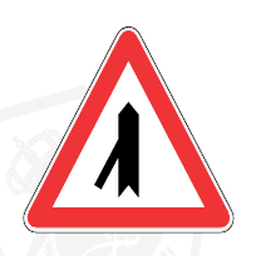
What does this sign warn drivers about?
- ✓Traffic merging from the left
- BTraffic merging from the right
- CSide road on the left
- DRoad narrows from the left
💡Triangular warning sign: traffic merging from the left. Check your mirrors — vehicles may join from the left.
36
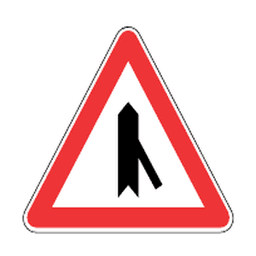
What does this sign warn drivers about?
- ATraffic merging from the left
- BSide road on the right
- CRoad narrows from the right
- ✓Traffic merging from the right
💡Triangular warning sign: traffic merging from the right. Check your mirrors — vehicles may join from the right.
37
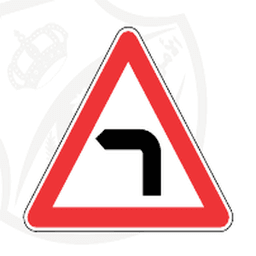
What does this sign warn drivers about?
- ATurn to the left
- BDouble bend, first to the left
- ✓Sharp bend to the left
- DSharp bend to the right
💡Triangular warning sign: sharp bend to the left. Reduce speed well before the bend.
38
What does this sign warn drivers about?
- ADouble bend, first to the right
- ✓Sharp bend to the right
- CSharp bend to the left
- DTurn to the right
💡Triangular warning sign: sharp bend to the right. Reduce speed well before the bend.
39
What does this sign warn drivers about?
- ✓Turn to the left
- BTurn to the right
- CSharp bend to the left
- DDouble bend, first to the left
💡Triangular warning sign: turn to the left. A gentler turn than a sharp bend — ease off speed.
40
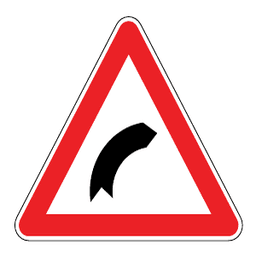
What does this sign warn drivers about?
- ATurn to the left
- BSharp bend to the right
- CDouble bend, first to the right
- ✓Turn to the right
💡Triangular warning sign: turn to the right. A gentler turn than a sharp bend — ease off speed.
41
What does this sign warn drivers about?
- ASharp bend to the left
- BTurn to the left
- ✓Double bend, first to the left
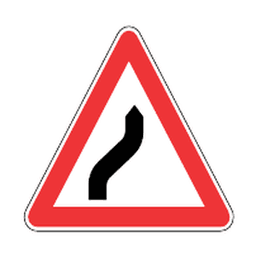
- DDouble bend, first to the right
💡Triangular warning sign: double bend, first to the left. Two bends in a row — the first curves left.
42
What does this sign warn drivers about?
- ATurn to the right
- ✓Double bend, first to the right
- CDouble bend, first to the left
- DSharp bend to the right
💡Triangular warning sign: double bend, first to the right. Two bends in a row — the first curves right.
43
What does this sign warn drivers about?
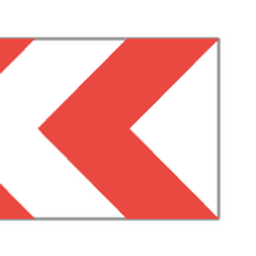
- ✓Chevron — direction of bend
- BDouble chevron
- CSharp bend to the left
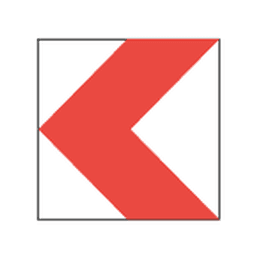
- DTurn to the right
💡Triangular warning sign: chevron — direction of bend. Placed on the bend itself to mark its direction.
44
What does this sign warn drivers about?
- AChevron — direction of bend
- BDouble bend, first to the left
- CSharp bend to the right
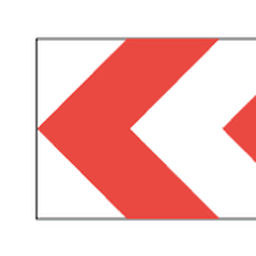
- ✓Double chevron
💡Triangular warning sign: double chevron. Marks a sharper bend than a single chevron.
45
What does this sign warn drivers about?
- ACattle crossing
- BSchool zone
- ✓Children crossing
- DCyclists crossing
💡Triangular warning sign: children crossing. Slow down near schools and residential areas.
46
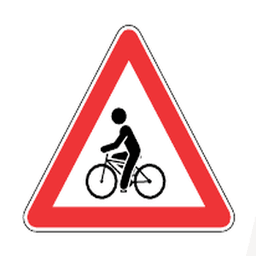
What does this sign warn drivers about?
- APedestrian crossing
- ✓Cyclists crossing
- CChildren crossing
- DCattle crossing
💡Triangular warning sign: cyclists crossing. Watch for cyclists crossing the road ahead.
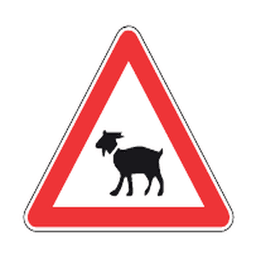
47
What does this sign warn drivers about?
- ✓Cattle crossing
- BCamel crossing
- CChildren crossing
- DCyclists crossing
💡Triangular warning sign: cattle crossing. Livestock may be on or crossing the road ahead.
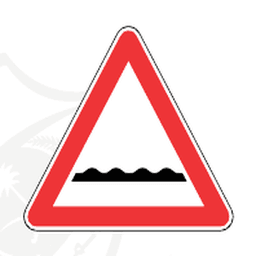
48
What does this sign warn drivers about?
- ASpeed bump
- BUneven road surface
- CLoose gravel
- ✓Series of bumps
💡Triangular warning sign: series of bumps. Multiple bumps ahead — slow down and keep a steady speed.
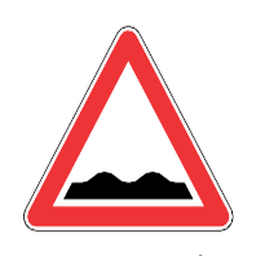
49
What does this sign warn drivers about?
- ALoose gravel
- BSoft verge
- ✓Uneven road surface
- DSeries of bumps
💡Triangular warning sign: uneven road surface. The road surface ahead is rough or uneven.
50
What does this sign warn drivers about?
- ASeries of bumps
- ✓Loose gravel
- CSoft verge
- DUneven road surface
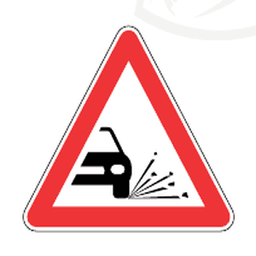
💡Triangular warning sign: loose gravel. Reduced grip ahead — loose stones on the surface.
51
What does this sign warn drivers about?
- ✓Soft verge
- BLoose gravel
- CUneven road surface
- DRoad narrows
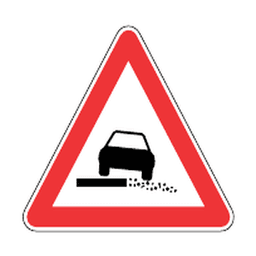
💡Triangular warning sign: soft verge. The road edge is soft — do not drive onto it.
52
What does this sign warn drivers about?
- ARoad narrows from both sides
- BNarrow bridge
- CSoft verge
- ✓Road narrows
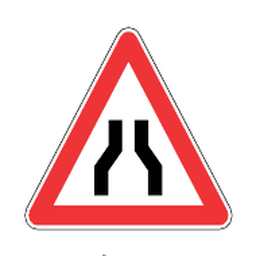
💡Triangular warning sign: road narrows. The road ahead becomes narrower.
53
What does this sign warn drivers about?
- ARoad narrows from the left
- BNarrow bridge
- ✓Road narrows from both sides
- DRoad narrows
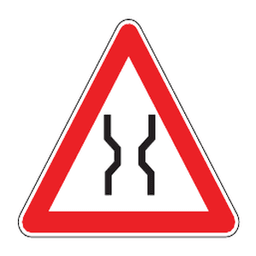
💡Triangular warning sign: road narrows from both sides. The road narrows from both sides at once.
54
What does this sign warn drivers about?
- ✓Road narrows from the left
- BRoad narrows from the right
- CRoad narrows from both sides
- DNarrow bridge
💡Triangular warning sign: road narrows from the left. The road narrows from the left side only.
55
What does this sign warn drivers about?
- ARoad narrows from the left
- BRoad narrows from both sides
- CNarrow bridge
- ✓Road narrows from the right
💡Triangular warning sign: road narrows from the right. The road narrows from the right side only.
56
What does this sign warn drivers about?
- ARoad narrows
- BTunnel ahead
- ✓Narrow bridge
- DSingle-lane bridge
💡Triangular warning sign: narrow bridge. A narrow bridge ahead may not fit two vehicles side by side.
57
What does this sign warn drivers about?
- ARoad narrows
- ✓Single-lane bridge
- CNarrow bridge
- DTwo-way traffic
💡Triangular warning sign: single-lane bridge. Only one vehicle can cross the bridge at a time — give way as required.
58
What does this sign warn drivers about?
- ✓Steep ascent
- BSteep descent
- CSharp bend to the left
- DHeight restriction ahead
💡Triangular warning sign: steep ascent. A steep climb ahead — heavy vehicles may slow significantly.
59
What does this sign warn drivers about?
- ASteep ascent
- BSharp bend to the right
- CUneven road surface
- ✓Steep descent
💡Triangular warning sign: steep descent. A steep downhill ahead — use a lower gear and control your speed.
60
What does this sign warn drivers about?
- AHeight restriction ahead
- BOverhead power lines
- ✓Tunnel ahead
- DNarrow bridge
💡Triangular warning sign: tunnel ahead. A tunnel ahead — headlights may be required.
61
What does this sign warn drivers about?
- AUneven road surface
- ✓Crosswind
- CDrifting sand
- DFalling rocks
💡Triangular warning sign: crosswind. Strong sideways wind possible, especially for high-sided vehicles.
62
What does this sign warn drivers about?
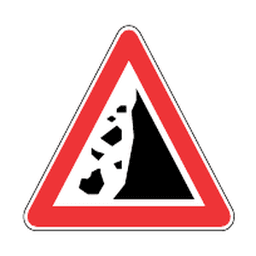
- ✓Falling rocks
- BDrifting sand
- CLoose gravel
- DCrosswind
💡Triangular warning sign: falling rocks. Rocks may fall onto the road from the slope ahead.
63
What does this sign warn drivers about?
- AFalling rocks
- BLoose gravel
- CCrosswind
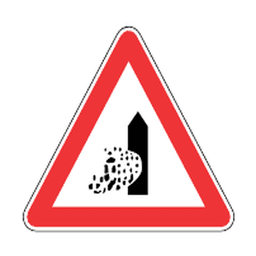
- ✓Drifting sand
💡Triangular warning sign: drifting sand. Sand may drift across the road, reducing visibility and grip.
64
What does this sign warn drivers about?
- ADrifting sand
- BSlippery road
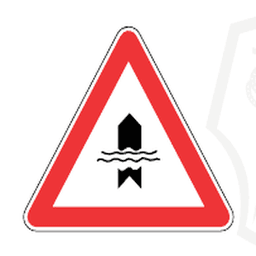
- ✓Water crossing
- DRoad runs alongside water
💡Triangular warning sign: water crossing. The road crosses a watercourse — may flood in heavy rain.
65
What does this sign warn drivers about?
- ASlippery road
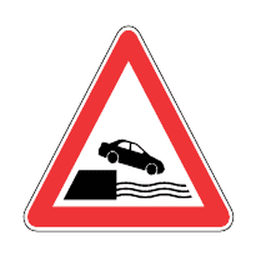
- ✓Road runs alongside water
- CWater crossing
- DSoft verge
💡Triangular warning sign: road runs alongside water. The road runs alongside water — stay within the lane.
66
What does this sign warn drivers about?
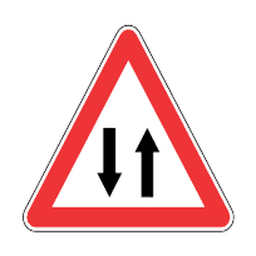
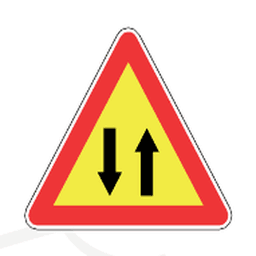
- ✓Two-way traffic
- BTwo-way traffic begins
- CTwo-way traffic ends
- DRoad narrows from both sides
💡Triangular warning sign: two-way traffic. Oncoming traffic uses the same road in both directions.
67
What does this sign warn drivers about?
- ATwo-way traffic ends
- BTwo-way traffic
- CTraffic merging from the left
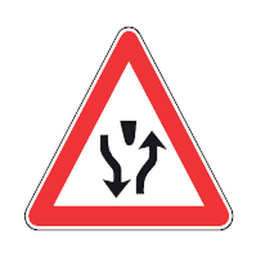
- ✓Two-way traffic begins
💡Triangular warning sign: two-way traffic begins. A divided road ends — oncoming traffic now shares your side.
68
What does this sign warn drivers about?
- ATwo-way traffic
- BTraffic merging from the right
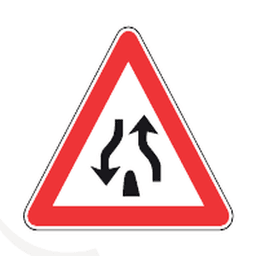
- ✓Two-way traffic ends
- DTwo-way traffic begins
💡Triangular warning sign: two-way traffic ends. Two-way traffic ends — the road becomes divided again.
69
What does this sign warn drivers about?
- ARoundabout ahead
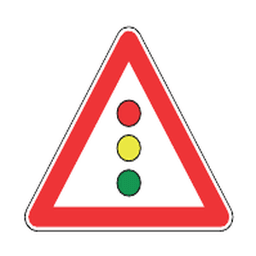
- ✓Traffic signals ahead
- CStop sign ahead
- DGive way ahead
💡Triangular warning sign: traffic signals ahead. Traffic signals are ahead — be ready to stop.
70
What does this sign warn drivers about?
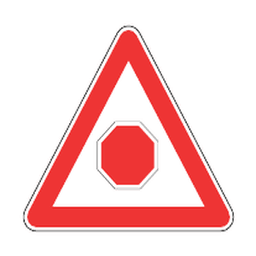
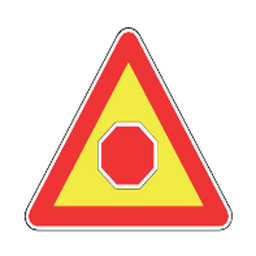
- ✓Stop sign ahead
- BGive way ahead
- CTraffic signals ahead
- DCrossroads ahead
💡Triangular warning sign: stop sign ahead. A stop sign is ahead — begin slowing down now.
71
What does this sign warn drivers about?
- AStop sign ahead
- BTraffic signals ahead
- CRoundabout ahead
- ✓Give way ahead
💡Triangular warning sign: give way ahead. A give-way sign is ahead — be ready to yield.
72
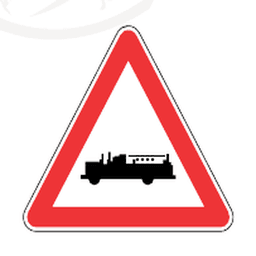
What does this sign warn drivers about?
- AFire station
- BCrosswind
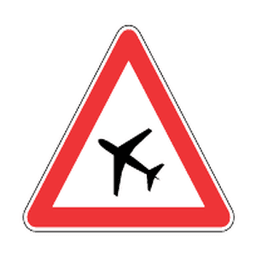
- ✓Low-flying aircraft
- DOverhead power lines
💡Triangular warning sign: low-flying aircraft. Aircraft may fly low near the road, typically close to an airport.
73
What does this sign warn drivers about?
- ATunnel ahead
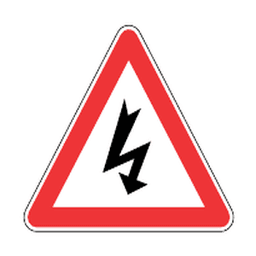
- ✓Overhead power lines
- CLow-flying aircraft
- DHeight restriction ahead
💡Triangular warning sign: overhead power lines. Power lines cross overhead — relevant for tall or loaded vehicles.
74
What does this sign warn drivers about?
- ✓Fire station
- BLow-flying aircraft
- CSchool zone
- DOverhead power lines
💡Triangular warning sign: fire station. A fire station exit is nearby — give way to emergency vehicles.
75
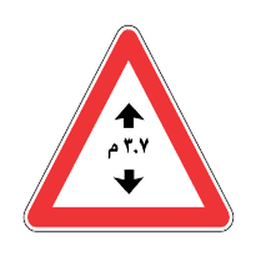
What does this sign warn drivers about?
- ATunnel ahead
- BOverhead power lines
- CNarrow bridge
- ✓Height restriction ahead
💡Triangular warning sign: height restriction ahead. A height restriction is ahead — tall vehicles may not fit.
76
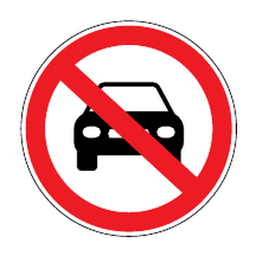
What does this sign mean?
- ✓No vehicles
- BNo motor vehicles
- CNo cars or motorcycles
- DNo pedestrians
💡Prohibitory sign (circular sign, red border, white background): no vehicles. A general ban on all vehicle types, not one specific class.
77
What does this sign mean?
- ANo vehicles
- BNo bicycles
- CNo trucks
- ✓No motor vehicles
💡Prohibitory sign (circular sign, red border, white background): no motor vehicles. Engine-powered vehicles are banned; bicycles and animal-drawn carts may still be allowed.
78
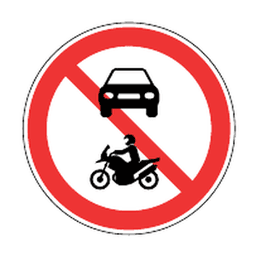
What does this sign mean?
- ANo vehicles
- BNo bicycles
- ✓No cars or motorcycles
- DNo motorcycles
💡Prohibitory sign (circular sign, red border, white background): no cars or motorcycles. Cars and motorcycles specifically are banned on this road.
79
What does this sign mean?
- ANo trucks
- ✓No motorcycles
- CNo bicycles
- DNo cars or motorcycles
💡Prohibitory sign (circular sign, red border, white background): no motorcycles. Motorcycles specifically are banned on this road.
80
What does this sign mean?
- ✓No bicycles
- BNo motorcycles
- CNo pedestrians
- DNo handcarts
💡Prohibitory sign (circular sign, red border, white background): no bicycles. Bicycles are banned on this road.
81
What does this sign mean?
- ANo buses
- BNo tractors
- CNo trailers
- ✓No trucks
💡Prohibitory sign (circular sign, red border, white background): no trucks. Trucks are banned — often near residential or narrow roads.
82
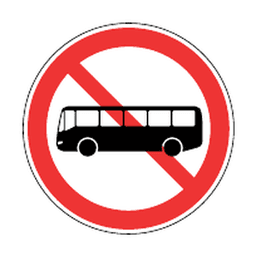
What does this sign mean?
- ANo tractors
- BNo motor vehicles
- ✓No buses
- DNo trucks
💡Prohibitory sign (circular sign, red border, white background): no buses. Buses are banned on this road.
83
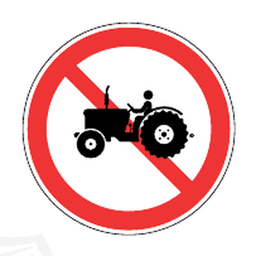
What does this sign mean?
- ANo animal-drawn vehicles
- ✓No tractors
- CNo trucks
- DNo trailers
💡Prohibitory sign (circular sign, red border, white background): no tractors. Agricultural tractors are banned on this road.
84
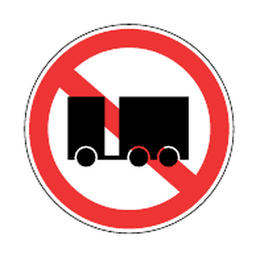
What does this sign mean?
- ✓No trailers
- BNo tractors
- CNo trucks
- DNo handcarts
💡Prohibitory sign (circular sign, red border, white background): no trailers. Vehicles towing a trailer are banned on this road.
85
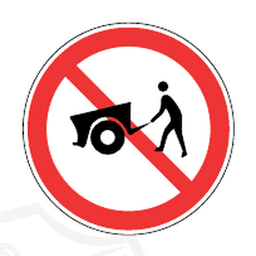
What does this sign mean?
- ANo animal-drawn vehicles
- BNo bicycles
- CNo pedestrians
- ✓No handcarts
💡Prohibitory sign (circular sign, red border, white background): no handcarts. Hand-pulled or hand-pushed carts are banned on this road.
86
What does this sign mean?
- ANo tractors
- BNo trailers
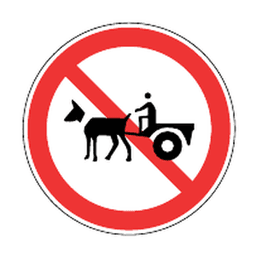
- ✓No animal-drawn vehicles
- DNo handcarts
💡Prohibitory sign (circular sign, red border, white background): no animal-drawn vehicles. Carts pulled by animals are banned on this road.
87
What does this sign mean?
- ANo vehicles
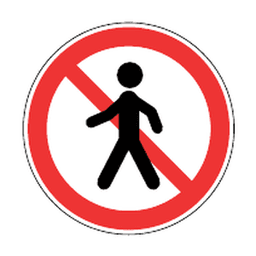
- ✓No pedestrians
- CNo bicycles
- DNo handcarts
💡Prohibitory sign (circular sign, red border, white background): no pedestrians. Walking is banned on this road — typically a highway or expressway.
88
What does this sign mean?
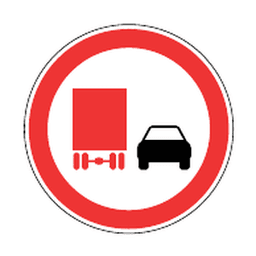
- ✓No overtaking by heavy vehicles
- BNo overtaking
- CNo trucks
- DNo buses
💡Prohibitory sign (circular sign, red border, white background): no overtaking by heavy vehicles. Heavy vehicles may not overtake here, even where other vehicles can.
89
What does this sign mean?
- ANo stopping
- BNo parking
- CCustoms — stop required
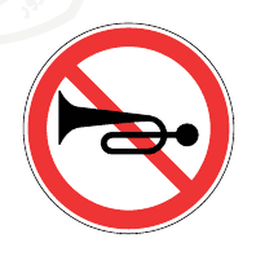
- ✓Use of horn prohibited
💡Prohibitory sign (circular sign, red border, white background): use of horn prohibited. Sounding the horn is banned here — common near hospitals and mosques.
90
What does this sign mean?
- AUse of horn prohibited
- BNo overtaking
- ✓No stopping
- DNo parking
💡Prohibitory sign (circular sign, red border, white background): no stopping. Stopping even briefly is banned — stricter than a no-parking sign.
91
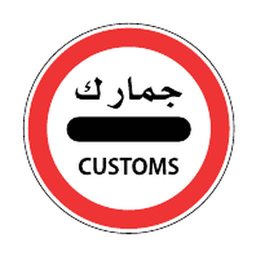
What does this sign mean?
- ANo entry
- ✓Customs — stop required
- CNo stopping
- DNo parking
💡Prohibitory sign (circular sign, red border, white background): customs — stop required. A customs checkpoint ahead — stopping is mandatory.
92
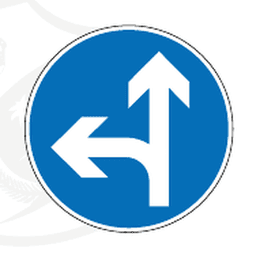
What does this sign mean?
- ✓Ahead or left
- BAhead or right
- CLeft or right
- DAhead only
💡Mandatory sign (circular blue sign, white symbol): ahead or left. Only straight ahead or left is allowed at this point.
93
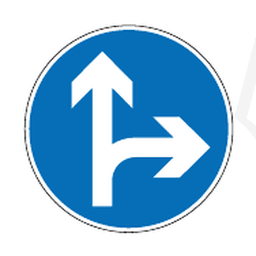
What does this sign mean?
- AAhead or left
- BLeft or right
- CAhead only
- ✓Ahead or right
💡Mandatory sign (circular blue sign, white symbol): ahead or right. Only straight ahead or right is allowed at this point.
94
What does this sign mean?
- AAhead or right
- BTurn left
- ✓Left or right
- DAhead or left
💡Mandatory sign (circular blue sign, white symbol): left or right. Only left or right is allowed — going straight ahead is not.
95
What does this sign mean?
- AAhead only
- ✓Keep left
- CKeep right
- DTurn left
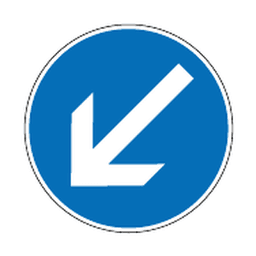
💡Mandatory sign (circular blue sign, white symbol): keep left. Keep to the left side of the obstacle or median ahead.
96
What does this sign mean?
- ✓Keep right
- BKeep left
- CTurn right
- DAhead only
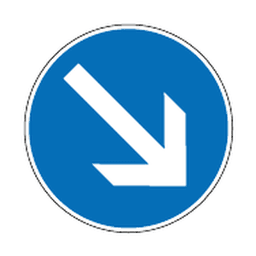
💡Mandatory sign (circular blue sign, white symbol): keep right. Keep to the right side of the obstacle or median ahead.
97
What does this sign mean?
- ATurn left
- BTurn right
- CRoundabout — compulsory
- ✓U-turn
💡Mandatory sign (circular blue sign, white symbol): u-turn. A U-turn is required at this point.
98
What does this sign mean?
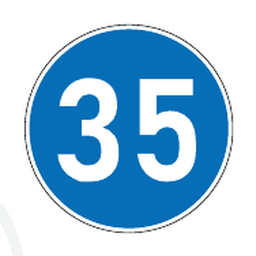
- AAhead only
- BRoundabout — compulsory
- ✓Minimum speed
- DEnd of minimum speed
💡Mandatory sign (circular blue sign, white symbol): minimum speed. Traffic must not travel slower than this minimum speed.
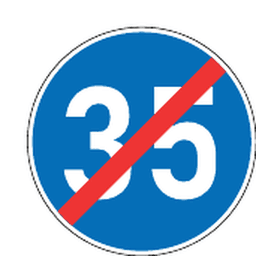
99
What does this sign mean?
- AKeep right
- ✓End of minimum speed
- CMinimum speed
- DAhead only
💡Mandatory sign (circular blue sign, white symbol): end of minimum speed. The minimum-speed requirement ends here.
100
What does this sign mean?
- ANo entry
- ✓Speed limit — maximum speed shown
- CParking allowed
- DEnd of restriction
💡Regulatory speed limit sign (white circle, red border, black number): the maximum speed permitted on this stretch of road.
101
A speed limit sign with a diagonal black line through it means:
- AA new, higher speed limit begins
- ✓The previous speed limit has ended
- CMinimum speed required
- DNo overtaking zone
💡A speed number with a diagonal strike-through marks the end of that speed restriction — normal road rules resume.
102
This blue circular sign with a speed number means:
- AMaximum speed allowed
- ✓Minimum speed required — do not drive slower
- CSuggested speed only
- DSpeed camera ahead
💡Mandatory sign (blue circle): minimum speed begins. Traffic must not travel slower than the number shown, except when safety requires it.
103
A minimum-speed sign with a diagonal line through it means:
- ✓Minimum speed requirement ends here
- BMinimum speed requirement begins
- CNo vehicles beyond this point
- DSpeed limit doubles
💡Diagonal strike-through on the minimum-speed sign marks the end of that requirement — drivers may resume normal speed.
104
This sign showing a vehicle height figure warns drivers of:
- ✓Maximum vehicle height allowed ahead (e.g. low bridge or tunnel)
- BMinimum vehicle height required
- CSpeed limit for tall vehicles
- DNo trucks allowed
💡Height-restriction sign: warns that vehicles taller than the figure shown cannot pass safely — common before low bridges or tunnels.
105
This sign showing a width figure between two arrows means:
- ✓Maximum vehicle width allowed ahead
- BMinimum lane width
- CRoad narrows — no width limit
- DTwo-way traffic ahead
💡Width-restriction sign: vehicles wider than the figure shown are prohibited from proceeding.
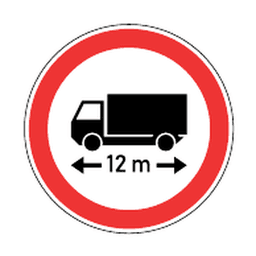
106
This sign showing a length figure between two arrows applies to:
- ✓Vehicles or combinations longer than the figure shown — prohibited
- BSpeed of long vehicles
- CMinimum vehicle length
- DParking duration
💡Length-restriction sign: vehicles or vehicle combinations (e.g. truck with trailer) longer than the stated figure are prohibited.
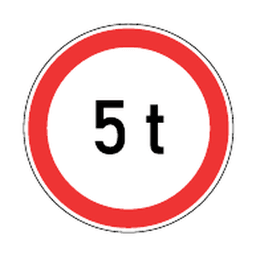
107
This sign showing a weight figure (e.g. 10t) means:
- ✓Maximum total vehicle weight allowed ahead
- BMinimum cargo required
- CToll fee amount
- DFine amount for overloading
💡Weight-restriction sign: vehicles with a total weight exceeding the figure shown are prohibited from proceeding — protects bridges and road surfaces.
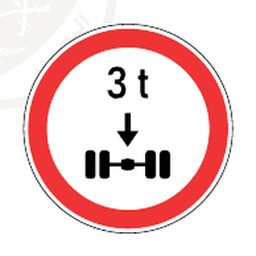
108
This sign showing a weight figure under a wheel/axle symbol restricts:
- ✓Maximum weight per axle
- BTotal vehicle weight
- CNumber of axles allowed
- DTire pressure
💡Axle-weight restriction sign: limits the maximum weight carried by any single axle, distinct from the vehicle's total weight limit.
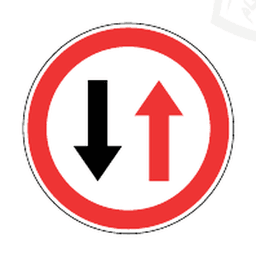
109
On a narrow road or one-lane bridge, a give-way-to-oncoming-traffic sign means:
- AYou have priority — oncoming traffic must wait
- ✓You must yield to vehicles coming from the opposite direction
- CBoth directions stop simultaneously
- DOne-way road — no oncoming traffic exists
💡This sign marks a narrow section (e.g. one-lane bridge) where oncoming traffic has priority — wait until the way is clear before entering.
110
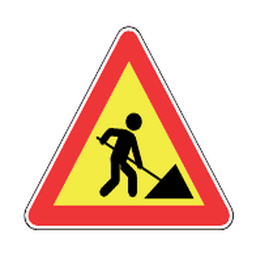
A temporary orange sign showing workers/tools ahead of a work zone warns of:
- ✓Road works ahead — slow down and watch for workers
- BPermanent construction — road closed forever
- CParking for construction vehicles
- DEnd of speed restrictions
💡Temporary road-works sign (orange/yellow diamond): reduce speed and watch for workers, equipment, and altered lane paths ahead.
111
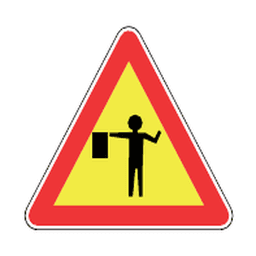
A temporary sign showing a person with a flag or paddle ahead means:
- ✓A traffic controller is directing traffic — follow their instructions
- BPedestrian crossing only
- CSchool zone
- DNo stopping allowed
💡Traffic-controller-ahead sign: a flagger may be directing traffic through a work zone — their hand signals override normal signage.
112
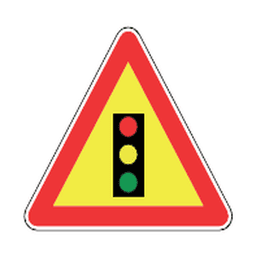
A temporary traffic-light sign warns that:
- ✓Portable traffic signals are controlling a lane in a work zone
- BPermanent traffic lights are broken
- CNo traffic lights ahead
- DPedestrian signal only
💡Temporary traffic-signal sign: portable lights are managing alternating one-lane traffic through a work zone — obey them like permanent signals.
113
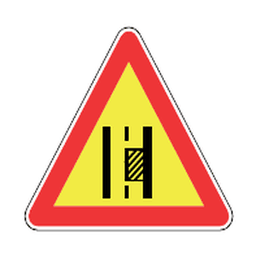
A temporary sign showing a lane or road blocked off means:
- ✓That lane/road is closed — merge or divert as directed
- BFree parking permitted there
- CSpeed limit removed
- DEmergency vehicles only beyond this point
💡Lane/road-closed sign: merge into the open lane well in advance, following any additional arrow or cone guidance.
114
A temporary sign reading 'Stop Ahead' warns drivers to:
- ✓Prepare to stop completely at an upcoming point
- BSpeed up to clear the area quickly
- CIgnore — it applies to the next junction only
- DTurn around immediately
💡Advance warning that a full stop is required ahead (e.g. at a temporary work-zone control point) — begin slowing down now.
115
A temporary two-way traffic sign in a work zone warns that:
- ✓Traffic now flows in both directions on what is normally a one-way or divided road
- BThe road is permanently two-way
- COnly emergency vehicles may use both directions
- DU-turns are now prohibited
💡Work-zone diversion may route opposing traffic onto a single carriageway temporarily — stay alert for oncoming vehicles and reduce speed.
116
A green rectangular sign with the word 'Exit' and an arrow indicates:
- ✓The upcoming exit point from a highway or expressway
- BA parking exit only
- CEmergency exit for pedestrians
- DEnd of the expressway
💡Informational (guide) sign: green background, indicates the location and direction of an upcoming highway exit.
117
A blue sign showing a headlight symbol instructs drivers to:
- ✓Switch on headlights (e.g. before entering a tunnel)
- BSwitch off headlights
- CUse hazard lights only
- DHeadlights are prohibited here
💡Mandatory sign: switch on headlights — commonly posted before tunnels or low-visibility sections to ensure visibility.