1
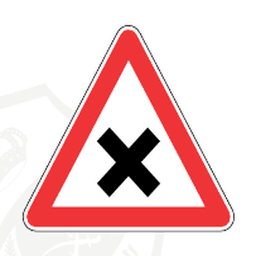
At an uncontrolled intersection, two vehicles arrive simultaneously. Right of way goes to:
- AThe larger vehicle
- ✓The vehicle on the right
- CThe vehicle on the left
- DThe faster vehicle
💡At uncontrolled intersections, the vehicle on the right has right of way.
2
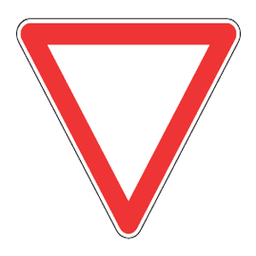
At a give way sign, a driver must:
- AAlways stop completely
- ✓Yield to main road traffic then proceed
- CProceed if road looks clear
- DHonk and merge
💡Yield to all traffic on the main road. Stop if necessary, then proceed when safe.
3
An ambulance with sirens approaches from behind. You must:
- AMaintain speed and lane
- ✓Move to the right and allow it to pass
- CStop immediately wherever you are
- DSpeed up to stay ahead
💡Emergency vehicles have absolute right of way. Move right and stop to allow them to pass.
4
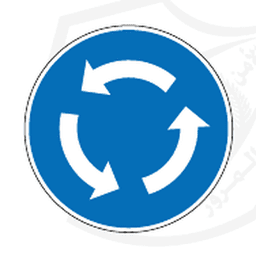
In a Saudi roundabout, right of way belongs to:
- AVehicles entering
- ✓Vehicles already inside the roundabout
- CThe largest vehicle
- DFirst to arrive at entry
💡Vehicles already circulating inside the roundabout have priority. Entering vehicles must yield.
5
A red traffic light means:
- ASlow down and proceed
- ✓Stop completely and wait for green
- CYield to emergency vehicles only
- DProceed if road looks clear
💡Red light means STOP completely. Do not proceed until the light turns green.
6
When turning left, you must yield to:
- ANo one — left turns have priority
- ✓Oncoming traffic and crossing pedestrians
- CHeavy vehicles only
- DVehicles on your right only
💡When turning left: yield to all oncoming traffic and pedestrians crossing your intended path.
7
A yellow traffic light means:
- AAccelerate to clear intersection
- ✓Prepare to stop safely if possible
- CSound horn and proceed
- DAlways continue
💡Yellow: prepare to stop. Stop safely before the line if you can; only continue if stopping is more dangerous.
8
When a traffic officer conflicts with a traffic light, which takes priority?
- AThe traffic light always
- BBoth must be followed
- ✓The traffic officer's instructions
- DThe driver decides
💡Traffic officer instructions always override traffic lights — even a green light.
9
When a traffic officer's instructions conflict with a traffic light signal, which takes priority?
- AThe traffic light always takes priority
- ✓The traffic officer's instructions take priority
- CThe driver can choose which to follow
- DBoth must be followed simultaneously
💡Traffic officer instructions take priority over traffic light signals. For example, if the light is green but the officer signals stop, the driver must stop.
10
What does a flashing yellow traffic light at an intersection mean?
- AStop completely and wait for green
- BProceed at full speed — the way is clear
- ✓Slow down and proceed with caution, prepared to stop
- DThe traffic light is malfunctioning — treat as an uncontrolled intersection
💡When encountering a flashing yellow traffic light at an intersection, the driver should slow down and proceed with caution, being prepared to stop if necessary.
11
When two vehicles arrive at an uncontrolled intersection at the same time, who has the right of way?
- AThe vehicle on the left
- ✓The vehicle on the right
- CThe larger vehicle
- DThe vehicle travelling faster
💡When two vehicles arrive at an uncontrolled intersection simultaneously, the vehicle on the right has the right of way.
12
When approaching a pedestrian crossing with no traffic lights and pedestrians are waiting, the driver must:
- ASound the horn and continue
- BSpeed up to pass before pedestrians step out
- ✓Stop and allow pedestrians to cross safely
- DSlow down only if pedestrians are on the road
💡At an unmarked pedestrian crossing, the driver must stop and give way to pedestrians waiting to cross. Pedestrians have right of way.
13
When an ambulance with flashing lights and sirens approaches from behind, a driver must:
- AMaintain speed — the ambulance will find a way around
- ✓Move to the right side of the road and slow down to allow it to pass
- CSpeed up to stay ahead of it
- DStop immediately in the driving lane
💡Emergency vehicles with lights and sirens have absolute right of way. Move to the right, slow down, and stop if necessary to let them pass.
14
When a fire engine with sirens is approaching an intersection, drivers at the intersection must:
- AProceed normally — they have a green light
- ✓Clear the intersection and give way to the fire engine
- CSound their horns to warn other drivers
- DBlock the intersection to protect the fire engine
💡All emergency vehicles with lights and sirens have right of way over traffic signals. Clear the intersection and stop to allow them to pass safely.
15
What should a driver do before entering a roundabout?
- AEnter immediately if no vehicle is directly ahead
- ✓Give way to vehicles already circulating inside the roundabout
- CAccelerate to merge quickly
- DHonk to warn vehicles inside
💡Vehicles already circulating inside a roundabout have right of way. Wait for a safe gap before entering and signal your intended exit.
16
What does a red traffic light mean?
- ASlow down and proceed with caution
- ✓Stop completely and wait for green
- CYield to oncoming traffic only
- DProceed if no vehicle is crossing
💡A red light means STOP completely. Do not proceed until the light turns green, even if the road appears clear.
17
What should a driver do when a traffic light turns amber (yellow)?
- AAccelerate to clear the intersection quickly
- ✓Prepare to stop — stop safely if possible before the line
- CAlways continue — green just finished
- DHonk and proceed
💡Amber means prepare to stop. If you can stop safely before the stop line, do so. Only continue if stopping would be more dangerous than proceeding.
18
What does a green traffic light mean?
- AProceed without any checks at full speed
- ✓You may proceed but remain alert for other road users
- CAbsolute right of way over pedestrians
- DSpeed up immediately
💡Green means you may proceed — but remain alert. Pedestrians or other vehicles may still be crossing. Green does not mean unchecked speed.
19
A driver approaches a green light. What should they do?
- ASpeed up to make sure they pass before it changes
- ✓Proceed at appropriate speed, scanning for hazards
- CStop briefly then proceed
- DAlways slow to 30 km/h first
💡At a green light, proceed at appropriate speed while scanning left, right, and ahead for hazards before and during crossing.
20
When approaching a roundabout, who has right of way?
- AVehicles entering the roundabout
- ✓Vehicles already circulating inside the roundabout
- CThe largest vehicle
- DWhoever arrives first at the entry
💡Vehicles already circulating inside a roundabout always have right of way over those trying to enter. Give way before entering.
21
When entering a roundabout, a driver should:
- AEnter at speed to merge quickly
- ✓Signal right and yield to circulating vehicles before entering
- CAlways stop completely before entering
- DHonk to warn vehicles inside
💡Before entering: check for circulating traffic, yield to it, signal your intended exit direction, and enter only when safe.
22
When exiting a roundabout, a driver must:
- ✓Signal left before the exit and check for cyclists or pedestrians
- BExit without signalling — it disrupts traffic flow
- CSignal right to indicate leaving the roundabout
- DSpeed up to exit quickly
💡Signal left before your intended exit to inform other road users you are leaving the roundabout. Check for pedestrians and cyclists crossing the exit.
23
At an uncontrolled intersection (no signs or lights), which vehicle has right of way?
- AThe fastest vehicle
- ✓The vehicle on the right
- CThe largest vehicle
- DThe vehicle whose driver is most confident
💡At uncontrolled intersections, the vehicle on the right has right of way when two vehicles arrive simultaneously.
24
What is the correct action when a flashing yellow light is showing at an intersection?
- AStop completely and wait for a steady green
- BTreat it as a red light
- ✓Slow down and proceed with caution, prepared to stop
- DIgnore it — flashing lights are advisory only
💡A flashing yellow light means slow down and proceed with caution. Check for cross-traffic and be ready to stop.
25
When must a driver give way to pedestrians?
- AOnly at traffic light-controlled crossings
- BOnly when a police officer is present
- ✓At any pedestrian crossing — marked or unmarked
- DOnly at marked zebra crossings
💡Pedestrians have right of way at all pedestrian crossings — whether marked with stripes, controlled by lights, or unmarked. Always yield to pedestrians crossing.
26
What should a driver do when a traffic officer gives a signal that contradicts the traffic light?
- AFollow the traffic light — it is more reliable
- ✓Follow the traffic officer's instructions
- CIgnore both and use own judgment
- DStop and wait until the conflict is resolved
💡Traffic officer instructions always take priority over traffic lights. If an officer signals stop at a green light, you must stop.
27
When is it acceptable to run a red light in Saudi Arabia?
- AWhen the road appears empty
- ✓When an emergency vehicle approaches from behind and there is no safe alternative
- CWhen running very late for work
- DWhen there are no cameras nearby
💡Running a red light is a serious violation with heavy penalties. The only exceptional circumstance is to make way for an emergency vehicle when there is no other option.
28
When two vehicles arrive at a T-junction simultaneously, which has priority?
- AThe vehicle on the side road
- ✓The vehicle on the main road
- CThe larger vehicle
- DWhoever signals first
💡Vehicles on the main road have priority over those joining from side roads. Drivers on side roads must yield.
29
What is the correct lane to use when navigating a roundabout to take the second exit?
- AAlways the outer (right) lane
- BAlways the inner (left) lane
- CEither lane — signal when leaving
- ✓The inner lane going in, signal left before second exit and move to outer lane to exit
💡For the second exit or beyond: enter the inner lane, signal left before your exit, check mirrors, then move to the outer lane and exit.
30
What must a driver do when approaching a STOP sign at an intersection with other vehicles present?
- ASlow down to 20 km/h and proceed if clear
- ✓Come to a complete stop then proceed when safe
- CGive a quick honk and proceed
- DOnly stop if on the give-way sign side
💡The STOP sign requires a COMPLETE stop — not just slowing down. After stopping, check all directions and proceed only when safe.