1
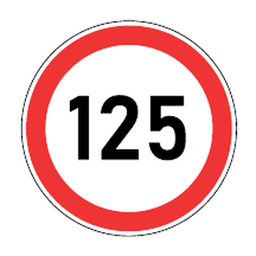
Maximum speed for small vehicles inside Saudi urban areas?
- A60 km/h
- B70 km/h
- ✓80 km/h
- D100 km/h
💡The maximum speed inside Saudi urban areas (towns and cities) is 80 km/h for small vehicles.
2
Typical maximum speed on Saudi highways for private cars?
- A80 km/h
- B100 km/h
- ✓120 km/h
- D140 km/h
💡Saudi highways: maximum 120 km/h for small private vehicles.
3
Speed to observe near schools when children are present?
- A80 km/h
- B60 km/h
- ✓40 km/h
- D20 km/h
💡Near schools with children present: reduce to 40 km/h to protect children's safety.
4
The posted speed limit is always the absolute speed to drive at. Correct?
- AYes — always drive at posted limit
- ✓No — adjust speed for road conditions and safety
- CYes — highways only
- DNo — can exceed by 10%
💡The limit is the MAXIMUM — not the required speed. Reduce below the limit in poor weather or hazardous conditions.
5
Exceeding the speed limit with no accident — is this a violation?
- ANo — no accident means no violation
- ✓Yes — violation regardless of outcome
- COnly if caught on camera
- DOnly if another driver complains
💡Exceeding speed is a violation regardless of outcome. The act itself is the offence.
6
What does the two-second rule help achieve?
- ATime allowed at a yellow light
- ✓Safe following distance from the vehicle in front
- CMinimum signal time before lane change
- DTime to complete a lane change
💡The two-second rule maintains safe following distance. Count 2 seconds after the car in front passes a fixed point.
7
During fog or rain a driver should:
- AMaintain posted speed regardless
- ✓Reduce speed below limit to suit conditions
- CIncrease speed to clear area faster
- DStop and wait for weather to improve
💡Poor weather reduces visibility and road grip. Reduce speed below the posted limit.
8
Speed limit signs show:
- AMinimum speed
- BRecommended average speed
- ✓Maximum permitted speed
- DSpeed of vehicles ahead
💡Speed limit signs always show the MAXIMUM permitted speed. Do not exceed this value.
9
Under Saudi driving rules, is a driver always required to strictly follow the posted speed limit?
- AYes, always without exception
- ✓No — it is not always mandatory; road conditions and weather must also be considered
- COnly on highways and main roads
- DOnly when visibility is below 100 metres
💡It is not always mandatory to comply strictly with the speed limit in all circumstances. Drivers should consider road conditions, weather, and surrounding circumstances to ensure safety.
10
What is the maximum speed limit for small vehicles inside urban zones (towns) in Saudi Arabia?
- A60 km/h
- B70 km/h
- ✓80 km/h
- D100 km/h
💡The maximum speed for small vehicles inside towns (urban zones) is 80 km/h. This limit helps maintain safety in areas with higher pedestrian and vehicle traffic.
11
How is the safe following distance between your vehicle and the one in front determined?
- AAlways a fixed distance of 10 metres regardless of speed
- ✓Based on the speed at which you are driving
- CBased on the size of the vehicle in front
- DBased on road surface type only
💡The safe distance between your vehicle and the vehicle in front is based on the speed at which you drive. Faster speeds require greater following distances.
12
What is the 'two-second rule' used for in Saudi Arabia driving regulations?
- ATime allowed to react at a yellow traffic light
- ✓Maintaining a safe following distance from the vehicle in front
- CMinimum time to indicate before changing lanes
- DMaximum time to stop after seeing a hazard
💡The 'two-second rule' is used to maintain a safe following distance. If your vehicle passes a fixed point before you count two seconds after the vehicle in front passes it, you are too close and must reduce speed.
13
How should a driver approach a sharp bend in the road?
- AMaintain speed through the bend
- ✓Reduce speed before the bend — not during it
- CBrake hard in the middle of the bend
- DMove to the centre of the road for more space
💡Reduce speed before entering a bend — braking while turning causes loss of tyre grip and can lead to skidding. Enter the bend at a safe speed then accelerate gently out of it.
14
What is the maximum speed for small vehicles in Saudi urban areas?
- A60 km/h
- B70 km/h
- ✓80 km/h
- D100 km/h
💡The maximum speed for small vehicles inside Saudi towns and cities is 80 km/h.
15
What is the maximum speed on Saudi highways for private cars?
- A100 km/h
- B110 km/h
- ✓120 km/h
- D140 km/h
💡The maximum speed on Saudi highways for small private vehicles is 120 km/h.
16
What speed should drivers maintain near schools when children are present?
- A60 km/h
- B50 km/h
- ✓40 km/h
- D30 km/h
💡Drivers must reduce to 40 km/h near schools when children are present to protect their safety.
17
The fine for exceeding the speed limit by more than 25 km/h on a regular road is:
- ASR 150
- BSR 300
- ✓SR 500 + 6 demerit points
- DSR 1,000
💡Exceeding the speed limit by more than 25 km/h on a regular road: SR 500 fine and 6 demerit points.
18
The fine for exceeding the speed limit by more than 25 km/h at a security checkpoint is:
- ASR 150
- ✓SR 300 + 4 demerit points
- CSR 500 + 6 demerit points
- DSR 1,000
💡At a security checkpoint: SR 300 fine and 4 demerit points for exceeding speed by more than 25 km/h.
19
Safe following distance is primarily based on:
- AThe type of vehicle ahead
- ✓The speed you are travelling
- CThe number of lanes on the road
- DThe time of day
💡Safe following distance depends on your speed. The faster you travel, the longer your stopping distance — so the larger the gap you need.
20
What is the 'two-second rule' used for?
- ATime allowed to react at a yellow light
- ✓Maintaining safe following distance from the vehicle ahead
- CMinimum signal time before lane change
- DTime to complete a lane change
💡The two-second rule: after the vehicle ahead passes a fixed point, count two seconds. You should not reach that point before finishing counting.
21
In wet or rainy weather, the safe following distance should be:
- AThe same as in dry conditions — rules don't change
- ✓At least doubled compared to dry conditions
- CReduced — wet roads require quicker reactions
- DOnly increased at night
💡Wet roads reduce tyre grip and increase stopping distances. Double your following distance in rain or wet conditions.
22
What is the main cause of death in traffic accidents according to Saudi statistics?
- AVehicle defects
- ✓Excessive speed
- CPoor road conditions
- DBad weather
💡Excessive speed is the main cause of fatal traffic accidents in Saudi Arabia. Higher speed means longer stopping distance and more severe impact.
23
When driving downhill on a steep road, a driver should:
- ARelease the brake and coast freely
- ✓Use low gear to help control speed
- CAccelerate to maintain momentum
- DUse only the handbrake
💡On steep descents, use a low gear to provide engine braking and maintain control. Relying only on brakes on a long descent can overheat and fail them.
24
A driver is travelling at 120 km/h on a highway. Their stopping distance compared to 60 km/h is:
- ADouble
- BTriple
- ✓Four times longer
- DThe same — brakes work at any speed
💡Stopping distance increases with the square of speed. Doubling speed quadruples stopping distance. At 120 km/h vs 60 km/h, stopping distance is 4 times longer.
25
What should a driver do if a tyre blows out suddenly at high speed?
- ABrake hard immediately
- BSteer sharply to the side
- ✓Gradually reduce speed while maintaining steering control — avoid sudden braking
- DAccelerate briefly to stabilise
💡At a tyre blowout: hold the wheel firmly, do NOT brake suddenly — this worsens the skid. Ease off the accelerator gradually and steer gently to safety.
26
What is the minimum speed for vehicles on a Saudi highway (if posted)?
- A40 km/h
- B60 km/h
- C80 km/h
- ✓The sign specifies it
💡Minimum speed limits on highways are shown on blue circular mandatory signs. The number displayed is the minimum — driving below it is also a violation.
27
A speed limit sign shows 80. This means:
- AYou must drive exactly at 80 km/h
- ✓The maximum speed is 80 km/h — you may drive slower
- CThe minimum speed is 80 km/h
- D80 is the recommended average speed
💡Speed limit signs always show the MAXIMUM permitted speed. You may travel slower but must not exceed the posted limit.
28
During a sandstorm with very low visibility, a driver should:
- AMaintain normal speed to exit the storm faster
- ✓Slow down significantly, turn on headlights and hazard lights, and pull over if visibility is dangerously low
- CTurn off all lights to avoid confusing other drivers
- DOnly slow down on highways
💡In a sandstorm: slow down, turn on headlights and hazard lights, and if visibility is dangerously low pull safely off the road and wait.
29
What speed limit applies to trucks inside Saudi cities?
- A80 km/h — same as private cars
- ✓60 km/h
- C70 km/h
- D50 km/h
💡Heavy trucks have a lower speed limit inside urban areas (60 km/h) compared to private cars (80 km/h) because of their longer braking distances.
30
A driver enters a school zone at 80 km/h when children are present. They are:
- ADriving legally — 80 km/h is the general urban limit
- ✓Committing a traffic violation — the limit is 40 km/h in school zones when children are present
- COnly violating if a school zone sign is present
- DDriving safely as long as no children are on the road
💡School zones have a 40 km/h limit when children are present regardless of the general urban limit. Driving at 80 km/h in such a zone is a serious violation.
31
What is the most effective way to maintain safe following distance?
- AKeep one car-length for every 20 km/h
- ✓Use the two-second rule and double it in bad weather
- CStay 5 metres behind at all times
- DOnly keep distance at night
💡The two-second rule is the standard method. In bad weather, reduced visibility, or when following a truck, double it to four seconds.
32
What is the purpose of the speed limit inside residential areas?
- ATo make roads look safer
- ✓To protect pedestrians, children, and cyclists who use residential streets
- CTo reduce fuel consumption
- DTo give traffic police more work
💡Lower speed limits in residential areas protect vulnerable road users — especially children — who share streets with vehicles.
33
Night driving requires extra care because:
- ARoads are emptier and safer at night
- ✓Visibility is reduced — hazards are harder to see and stopping distance must account for headlight range
- CNight air improves tyre grip
- DTraffic police are less active at night
💡At night, visibility is limited to headlight range. Reduce speed so you can stop within the lit distance. Hazards like pedestrians or animals are much harder to see.
34
Which of the following is a listed traffic violation in Saudi Arabia?
- ADriving just below the speed limit
- ✓Not maintaining sufficient distance from the vehicle in front
- CUsing headlights in fog
- DChecking mirrors before changing lanes
💡Not maintaining sufficient following distance is a listed traffic violation. It significantly increases the risk of rear-end collisions.